HIsTORY
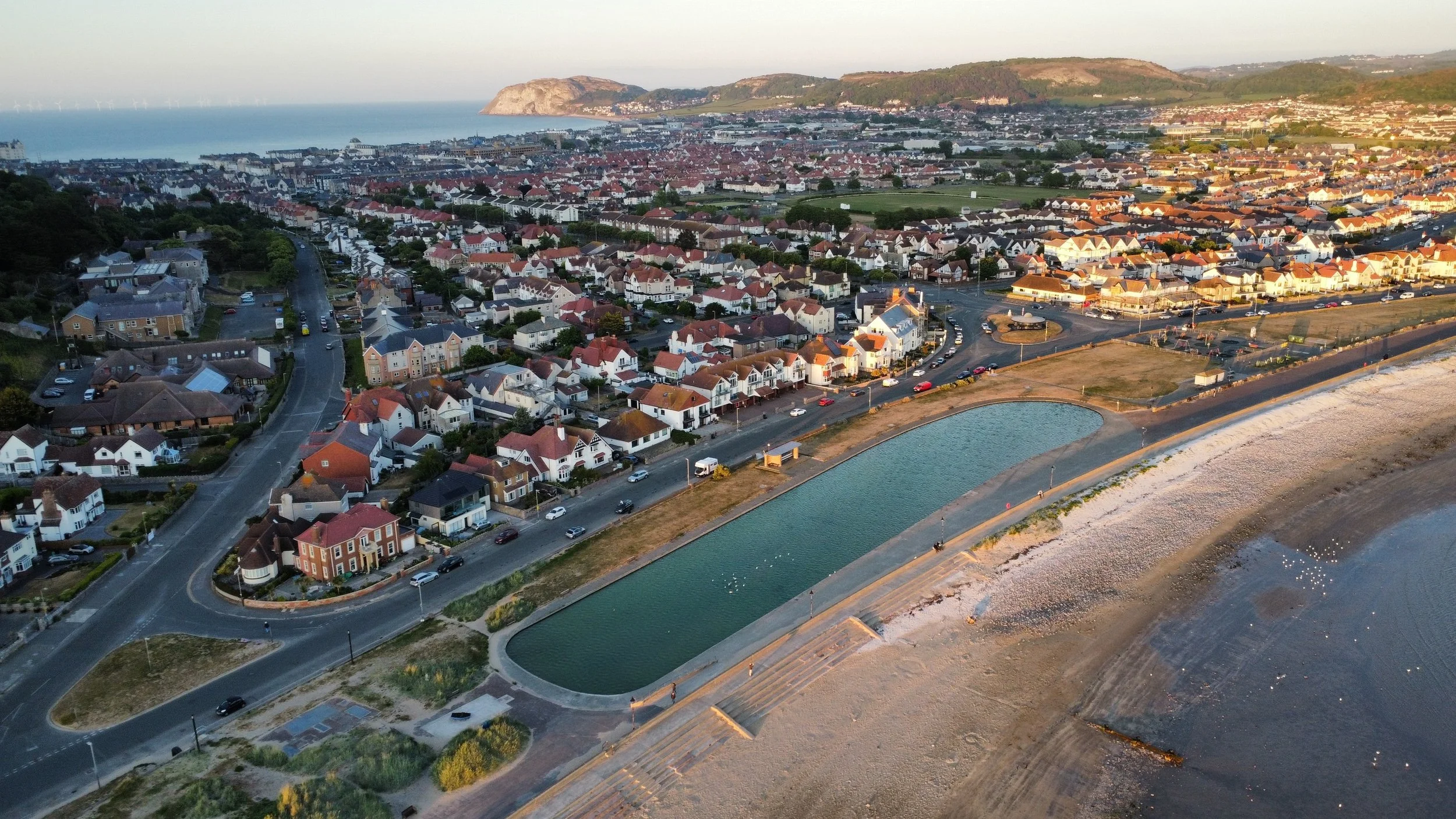
Nestled between the Great Orme and Little Orme on the beautiful North Wales coast, Llandudno has grown from a small Welsh farming and fishing settlement into one of Britain's finest Victorian seaside resorts. Its rich history spans thousands of years, from prehistoric communities and medieval pilgrims to elegant promenades, grand hotels and modern-day tourism.
Early History
People have lived around the Great Orme for over 4,000 years. The headland is home to the Great Orme Bronze Age Copper Mines, believed to be the largest prehistoric copper mines in the world. Around 3,500 years ago, miners used simple stone tools and animal bones to extract valuable copper ore from the mountain, making the Great Orme one of Europe's most important Bronze Age industrial sites.
During the medieval period, Llandudno remained a quiet settlement centred around farming, fishing and the small St Tudno's Church, built in the 12th century on the northern slopes of the Great Orme. The church, dedicated to the 6th-century Celtic saint Tudno, gave the town its name, with "Llandudno" meaning The Church of St Tudno.
The Birth of a Victorian Resort
For centuries Llandudno remained a modest village, but everything changed during the 19th century. Wealthy Liverpool businessman Owen Williams, whose family owned much of the surrounding land through the Mostyn Estate, recognised the area's potential as a holiday destination.
In the 1850s, renowned architect and planner George Felton designed an ambitious masterplan for the new town. Wide, tree-lined streets were laid out in a carefully planned grid, with elegant hotels, guest houses and villas built to attract affluent visitors. Unlike many Victorian resorts that developed haphazardly, Llandudno was intentionally designed to be spacious, attractive and sophisticated.
The arrival of the railway in 1858 transformed the town almost overnight. Visitors could now travel easily from Liverpool, Manchester and the Midlands, helping Llandudno become one of Britain's most fashionable seaside destinations.
The Golden Age
The late Victorian and Edwardian eras marked Llandudno's golden age. Visitors flocked to the town to enjoy sea air, leisurely walks and elegant entertainment.
Many of Llandudno's most recognisable landmarks were built during this period, including:
Llandudno Pier, opened in 1878 and extended in 1884, which remains the longest pier in Wales.
The Great Orme Tramway, opened in 1902, Britain's only surviving cable-hauled street tramway.
The Great Orme Cable Cars, later opened in 1969, offering spectacular aerial views across the bay.
Happy Valley Gardens, developed after quarrying on the Great Orme ceased, providing beautiful landscaped gardens overlooking the sea.
The town became known as the "Queen of Welsh Resorts" thanks to its elegant promenade, grand hotels and reputation for refinement.
Wartime Llandudno
Like much of Britain, Llandudno played an important role during both World Wars.
During the Second World War many hotels, schools and public buildings were requisitioned for military use, while thousands of evacuees arrived from cities across Britain.
One of Llandudno's most remarkable wartime stories involves the National Gallery. To protect priceless works of art from bombing raids, masterpieces by artists such as Rembrandt, Turner, Van Gogh and Leonardo da Vinci were secretly stored in slate mines near Blaenau Ffestiniog. Llandudno became the administrative headquarters for the National Gallery during much of the war, making the town an unlikely guardian of some of the world's greatest paintings.
Llandudno Today
Today, Llandudno remains one of Wales' most popular seaside destinations, welcoming millions of visitors each year.
Its beautifully preserved Victorian architecture, award-winning promenade, independent shops, traditional attractions and stunning natural surroundings continue to attract holidaymakers from across the UK and beyond.
Visitors can explore the Great Orme by tramway, cable car or on foot, discover prehistoric copper mines, stroll along Wales' longest pier, enjoy live entertainment at Venue Cymru or simply relax on the sweeping North Shore and peaceful West Shore beaches.
Although the town has embraced modern tourism, much of the charm that made Victorian visitors fall in love with Llandudno remains unchanged. Its elegant streets, historic buildings and breathtaking coastal scenery continue to make it one of Britain's most treasured seaside resorts.
Whether you're visiting for a day or staying a little longer, Llandudno offers a fascinating blend of history, heritage and natural beauty that has captivated visitors for generations.